Ordinary Days
Round House Theatre - Bethesda, MD.
Lighting Design
CONTEXT: For this project, I had the opportunity to return to Round House Theatre, a company I worked with for a number of years during my time in the Washington, D.C. area while continuing my collaboration with director Matthew Gardiner, whom I have had the blessing to collaborate with a number of larger, musical projects (Candide, Jerry Springer: the Opera, etc.). One of my former students from the University of Maryland, Liz Sena, also happened to be the master electrician, and it was a joy to collaborate with her in her new, professional role.
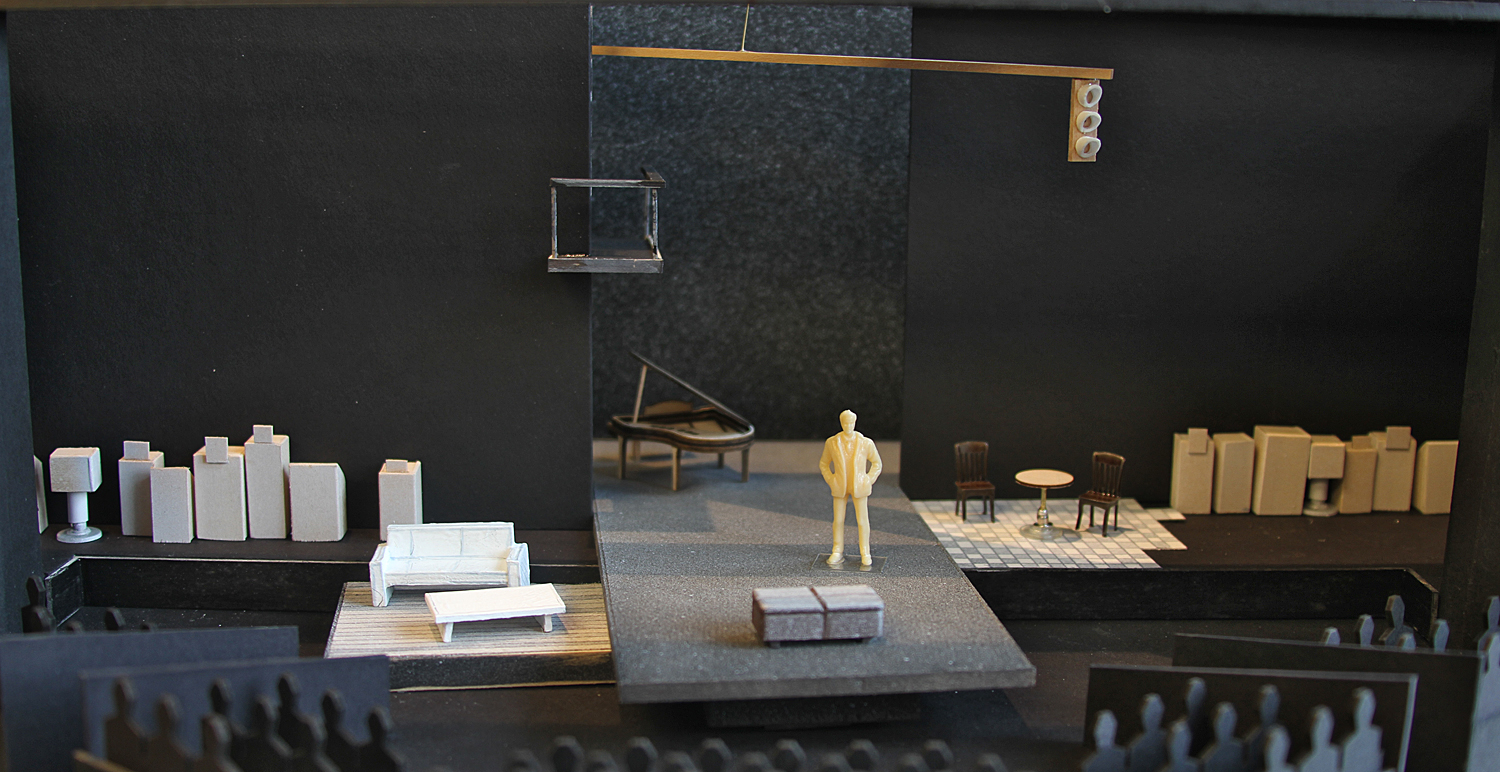
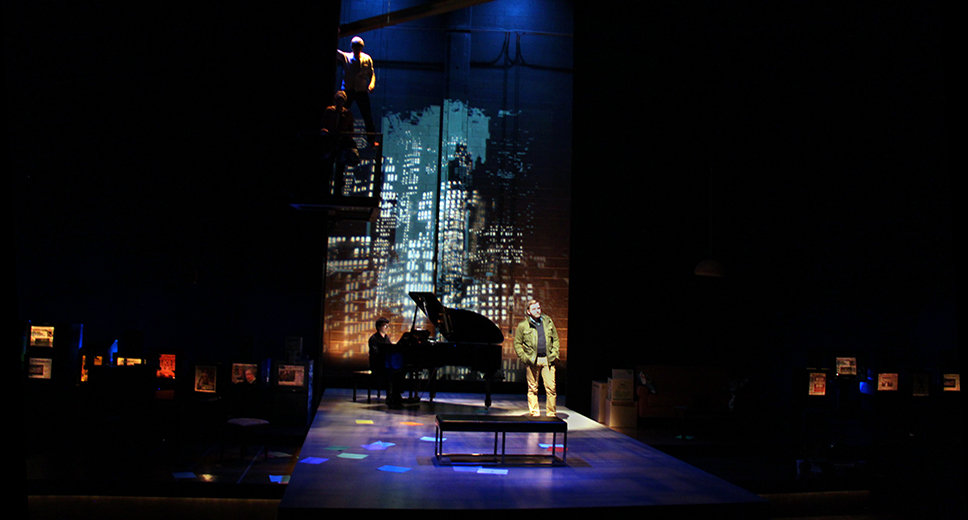
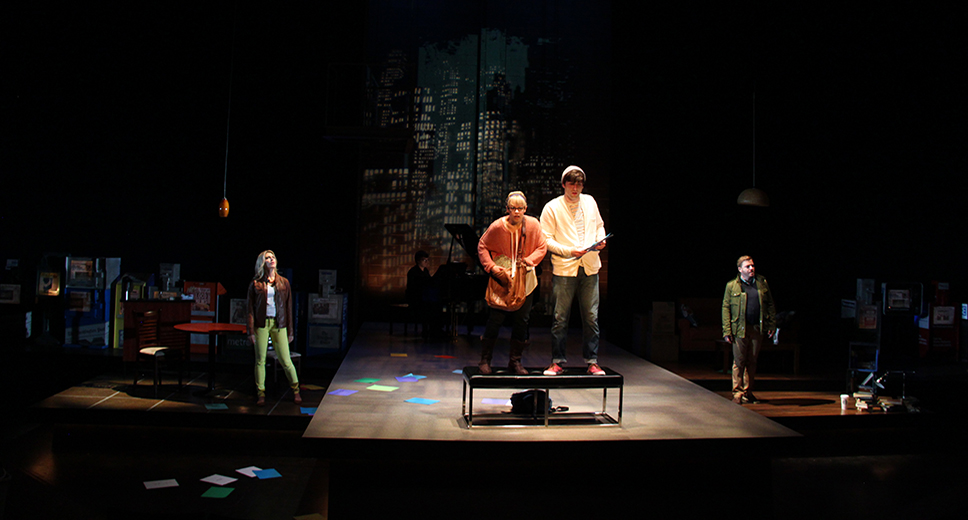
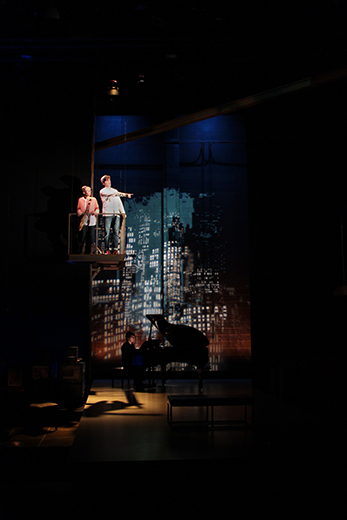
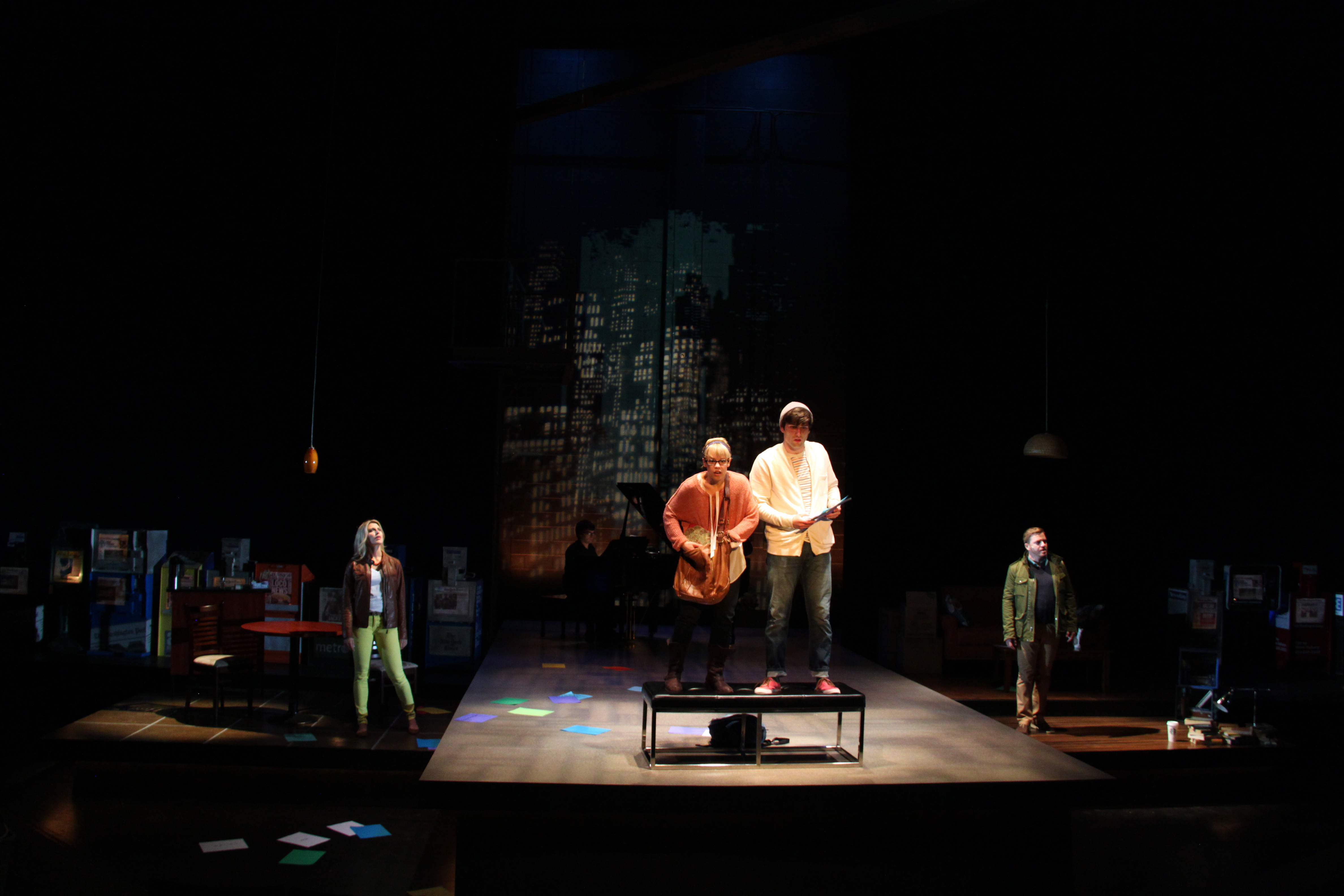
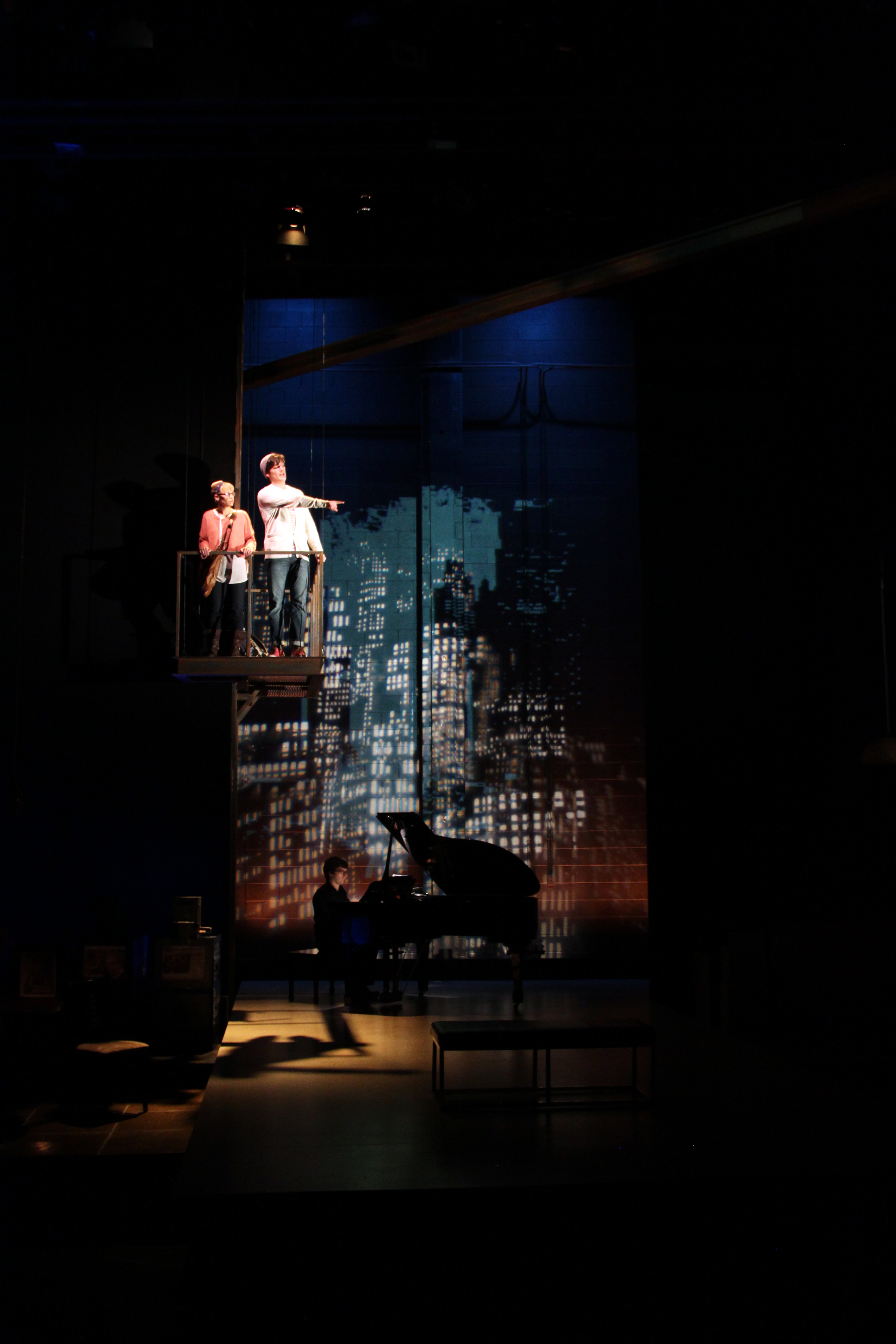
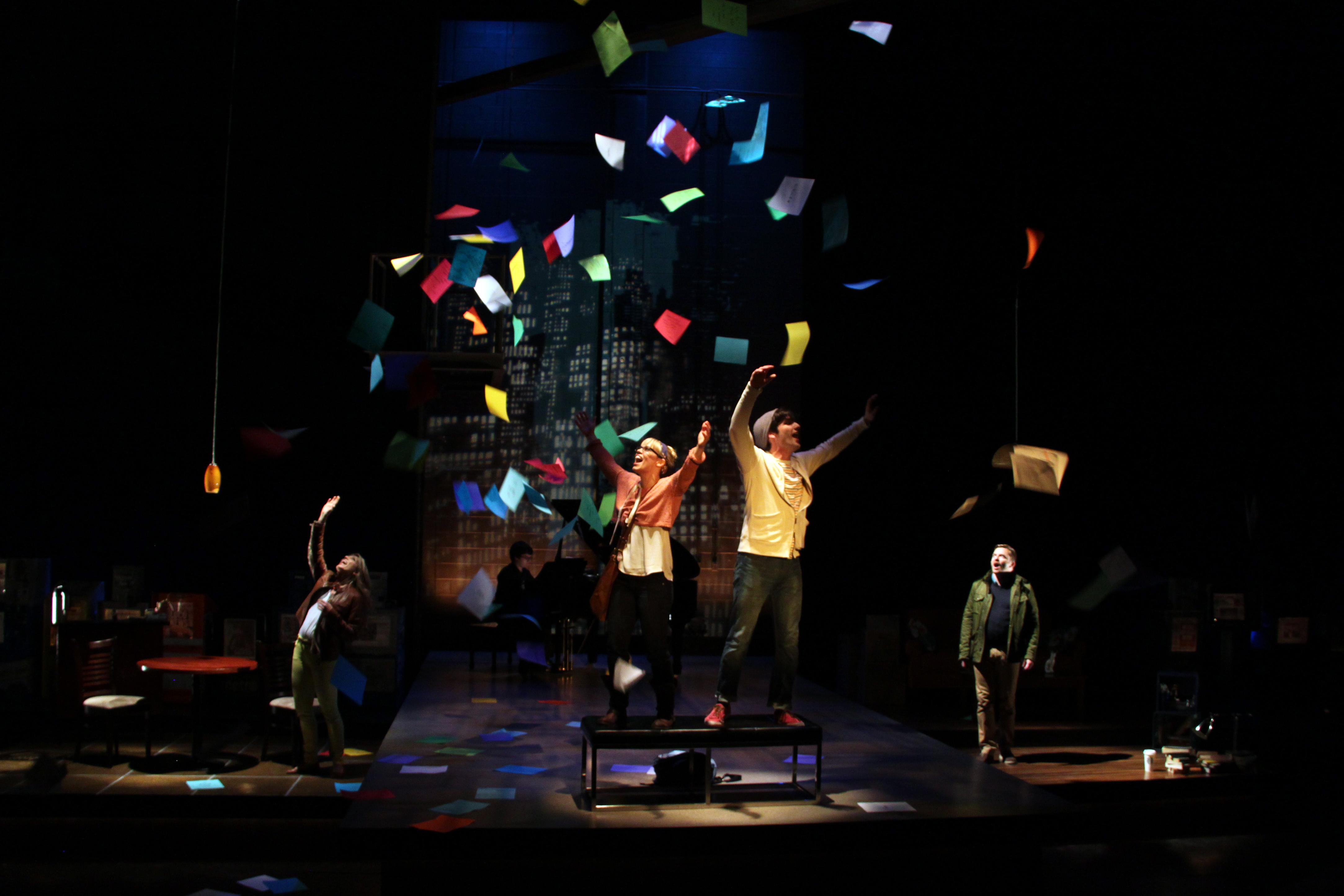
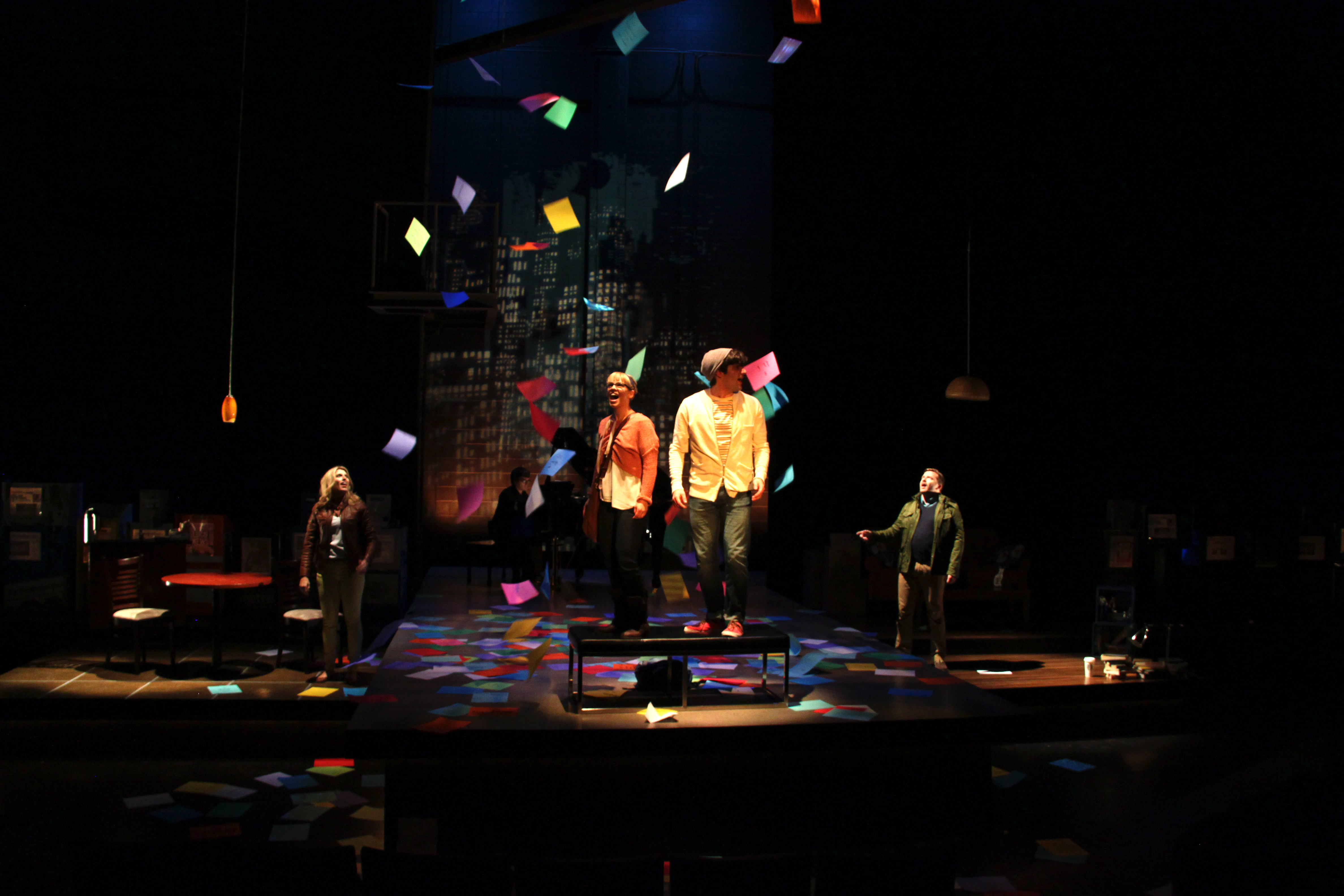
The play is a small musical following four characters in New York as they struggle with their identities, relationships, and isolation in the big city. Scenicly, Misha Kachman created a unit set, with the music director and pianist UC and visible to the audience. As a creative team, we endeavored to create the impression of living in NYC using a physical space that could take the audience to a series of different locations (art museum, apartment, coffee shop, etc) without the need to use realism to ground the audience in these locations. Practical lighting fixtures, faux concrete platforms, and furniture props were the primary physical items used to create these locations, which led our team to use lighting to help support the characters and create the different locations.
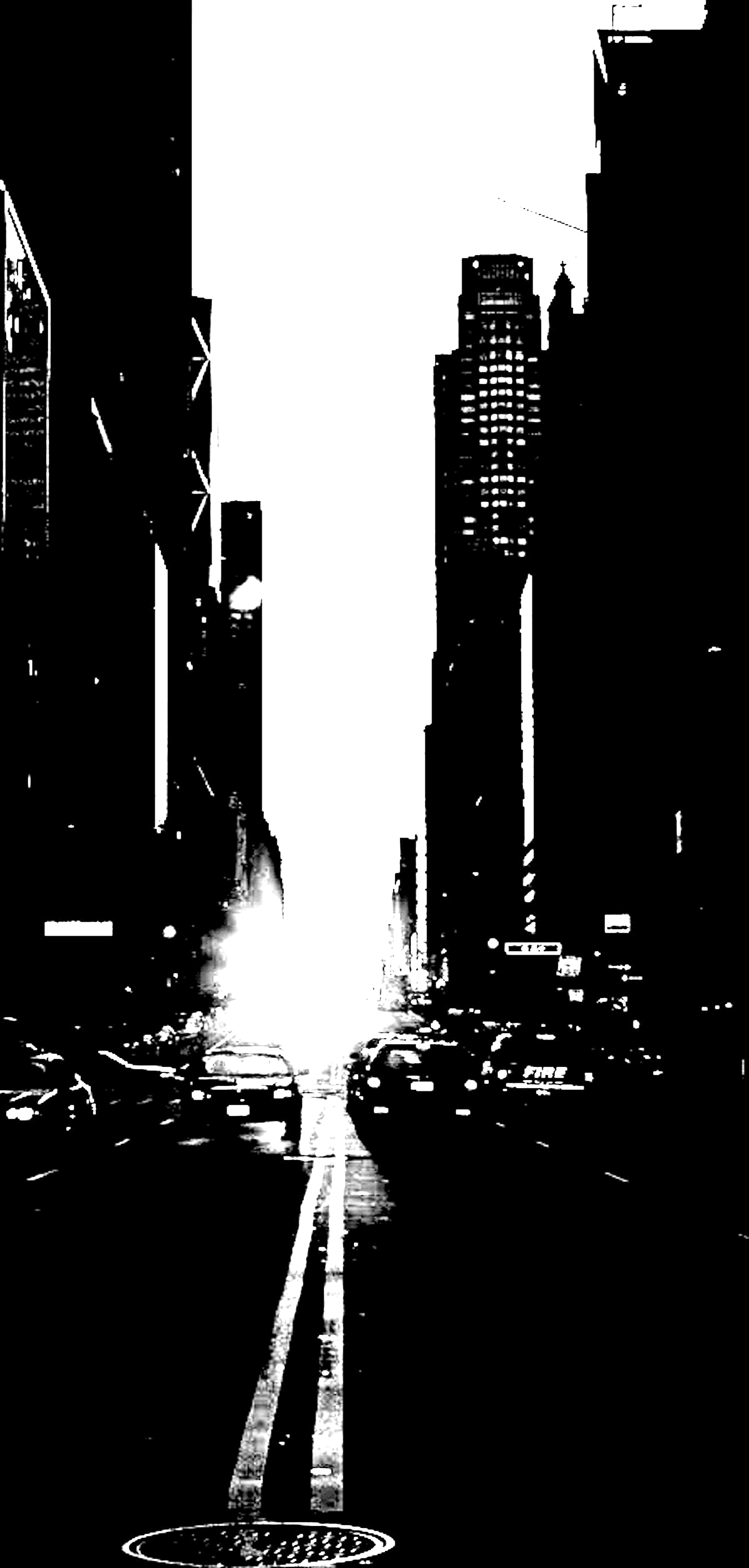
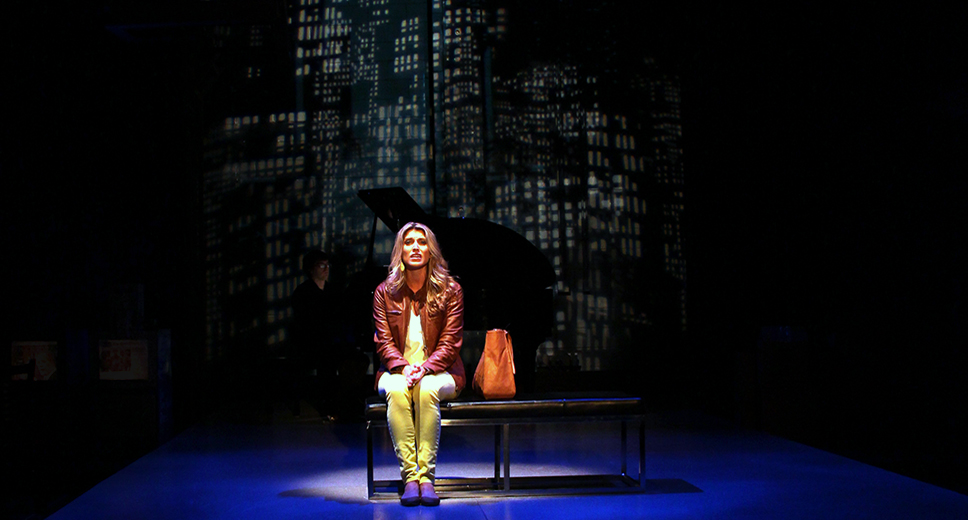
With this in mind, we created strong systems to "isolate" areas of the platforming when going to the apartment or to the coffee shop, and we used gobo patterns and color changes to transform the entirety of the platforming when ouside on the street or inside the art museum. On top of physical location, however, our creative team needed to explore ways to transport the audience into characters' inner-monologues, as the musical moments in the show were often solos about struggling with personal issues not only character duets in the reality of this particular play. The obvious answer to accomplish this was through scale and isolation, which led us to use moving-mirros specials to "spotlight" characters and pull them out of the base lighting looks. The color-changing scrollers from shin-buster positions, however, were also useful in allowing us to change both the color and lighting angle away from the reality of the NYC spaces towards a visual idea more evocative of characters' inner thoughts. Lastly, we utilized some expressive and more "magical" tools throughout the show, including lights inside the newspaper boxes, rope light underneath the platforms to help provide the sense that the plaftorm was floating, layered city-scape gobo patterns combine with projections on the back wall, etc., which were able to use to help shift away from the plays reality and into the world of characters' imagination, thought, etc.
The Round House Theatre venue is a space with a great deal of height and verticality, with a wide proscenium arch separating a semi-thrust acting space and and upstage with decen depth for scenery. Most scenic designers, as Misha Kachman did for this show, design a strong thrust to bring the perfmers closer to the audience and build a more intimate space. The lighting positions in the space are excellent, including box booms in the house, a balcony rail, and a variety of veritical and horizontal angles from the catwalks.
Production Photographs by Danisha Crosby, then RHT Associate Producer
Click on an image for a larger version. Images will open in a separate window.
The following documents are provided only for additional information, should you desire ore context for the purposes of this review.
Ordinary Days Scenic Design Drafting, Copyright Misha Kachman
Ordinary Days Scenic Model, Copyright Misha Kachman
Ordinary Days Projection Image, Copyright Misha Kachman